Are you a SCADA consultant?
SCADAIntel lists 276 SCADA consultants. A free listing gives you a profile page and quote requests from people looking for SCADA consulting near you, sent straight to your inbox.
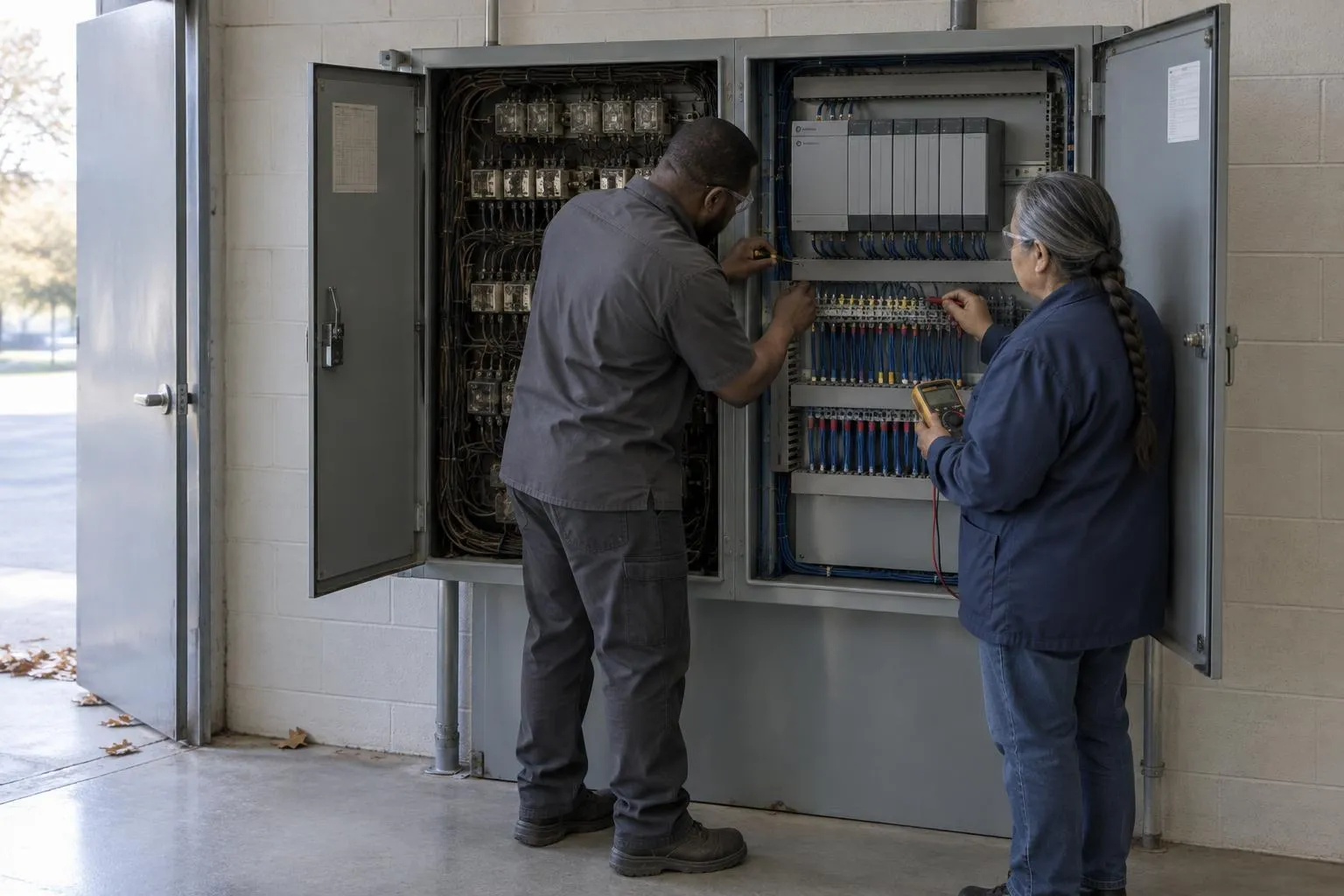
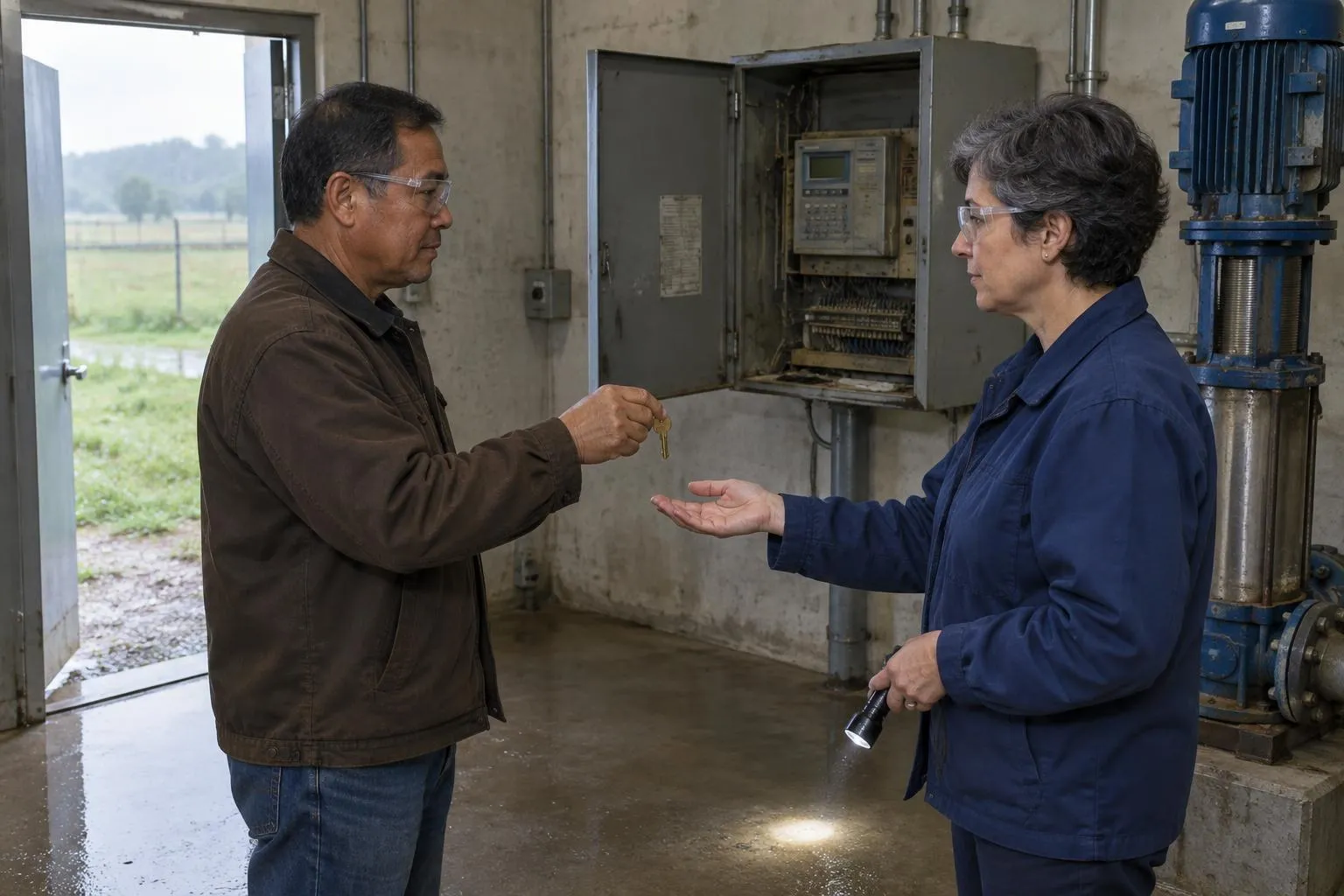
A plant engineer I know — let’s call him Dave — spent eight months trying to modernize a water treatment facility’s SCADA system using only vendor documentation and YouTube tutorials. By the time he admitted defeat and brought in a consultant, the project was 14 months behind schedule and the plant had narrowly avoided two separate cybersecurity incidents. The consultant fixed it in six weeks. Dave told me later: “I didn’t know this was an actual profession.”
It is. And it’s growing fast.
The Short Version:The global SCADA market sits at roughly $12–14 billion in 2026 and is expanding at 9–10% annually. SCADA consultants — the specialists who design, implement, and secure these systems — occupy a fast-growing services slice of that pie, driven by industrial automation, critical infrastructure hardening, and a wave of legacy system modernization projects.
Key Takeaways
- The SCADA market is valued between $12.07B and $14.48B in 2026, depending on methodology — all sources agree on double-digit growth
- Asia-Pacific leads in market share (33.85%), but North America generates more per-consultant revenue density
- The consultant services layer likely represents 5–15% of total SCADA market spend — a $600M–$2B addressable slice
- Cybersecurity and renewable energy integration are the two fastest-growing demand drivers, creating a skills premium for OT security-credentialed consultants
The Market Nobody Publishes Consultant Numbers For
Here’s what most people miss: if you search “SCADA consultant market size,” you’ll find dozens of reports on the overall SCADA systems market. Finding data specifically on the consultant and professional services subset? Nearly impossible. The major analysts — Mordor Intelligence, Precedence Research, Research and Markets — track the technology, not the humans who implement it.
So let’s work with what exists, and be honest about where we’re inferring.
Overall SCADA Market Size (2026)
| Source | 2026 Market Size | CAGR | Projected 2030/2031 |
|---|---|---|---|
| Mordor Intelligence | $12.07 billion | 9.02% | $18.58B (2031) |
| Precedence Research | $13.10 billion | ~8-9% | — |
| Research and Markets | $14.48 billion | 10.4% | $21.52B (2030) |
| Power SCADA (subset) | $3.13 billion | 7.6% | $5.23B (2033) |
The spread ($12B vs $14.5B) reflects different market definitions, not sloppy research. Some analysts include SCADA software only; others bundle hardware, services, and integration. All three agree on the direction: sustained high-single to low-double-digit growth through the decade.
Reality Check:A $12–14B market size figure sounds impressive in a pitch deck, but it tells you almost nothing about what a SCADA consultant actually earns or how many of them exist. Nobody publishes that data cleanly. The numbers above are your best proxy for industry health — treat them as a thermometer, not a job board.
Regional Distribution: Where the Work Actually Is
Geography matters enormously in SCADA consulting. Critical infrastructure is local. Regulations are local. The work doesn’t travel the way SaaS consulting does.
| Region | 2025 Market Size | Global Share | 2021–2025 Growth |
|---|---|---|---|
| North America | $1,174.53M | 31.39% | +77.81% |
| Europe | $1,112.40M | 29.73% | +74.69% |
| Asia-Pacific | $963.64M | 25.76% | Fast-growing |
| Middle East & Africa | — | Fastest growing | — |
Asia-Pacific leads in overall share (33.85% per Mordor Intelligence) due to sheer industrial scale and Industry 4.0 adoption. But North America punches above its weight on a per-consultant basis — U.S. utilities operate under NERC CIP compliance requirements that mandate third-party assessments, and the U.S. accounts for 76.69% of all North American SCADA spend. That regulatory forcing function creates consistent, non-discretionary demand for credentialed SCADA consultants.
The U.S. is, bluntly, the best market to build a SCADA consulting practice in right now.
What’s Driving Demand in 2026
Five forces are compressing the timeline on every modernization project:
1. Critical infrastructure aging. Water treatment plants, power substations, and natural gas compressor stations running Windows XP-era SCADA are not hypothetical — they’re common. Operators who’ve deferred modernization for a decade are now being forced by insurance requirements and regulatory pressure.
2. Renewable energy integration. Solar and wind facilities require SCADA coordination that legacy fossil-fuel infrastructure wasn’t designed for. Every new renewable project is a greenfield SCADA implementation opportunity.
3. OT cybersecurity incidents. The Colonial Pipeline attack changed the conversation permanently. Plant operators who once dismissed cybersecurity as an IT problem now have board-level mandates — and they’re hiring people who hold GICSP or ISA/IEC 62443 credentials to prove compliance, not just fix problems.
4. Smart city expansion. Municipal water, traffic, and energy systems are being instrumented at scale. The smart city projects driving demand cited by Precedence Research aren’t abstract — they’re procurement line items hitting municipal budgets this year.
5. Remote monitoring requirements. Post-2020, the expectation that operators can monitor and intervene from anywhere is now a standard RFP requirement. Retrofitting that capability into legacy systems requires exactly the kind of architecture work a consultant does.
Pro Tip:If you’re evaluating SCADA consultants for a project, the highest-leverage credential to look for isn’t a PLC brand certification — it’s ISA/IEC 62443 or GICSP. Those credentials signal someone who’s thought about your system as an adversary would, not just as an integrator.
The Consultant Services Layer: A Rough Estimate
I’ll be honest — the clean “SCADA consulting market = $X billion” number doesn’t exist in any public research. What does exist is a framework for estimation.
In industrial automation broadly, professional services typically represent 10–20% of total technology spend. Applied conservatively (5–15%) to a $12–14B SCADA market, that implies a consultant/services addressable market of $600M to $2.1B globally in 2026 — and growing at the same 9–10% clip as the underlying market.
Project fees for full SCADA implementations run $50,000–$500,000 depending on scope. Point-in-time cybersecurity assessments and NERC CIP compliance reviews typically run $25,000–$150,000. These aren’t published industry benchmarks — they’re the ranges that emerge consistently when you talk to people actually doing this work.
Key Stats at a Glance
| Metric | Figure | Source / Notes |
|---|---|---|
| Global SCADA market (2026) | $12.07B–$14.48B | Mordor / Research and Markets |
| CAGR (2026–2031) | 9.02%–10.4% | Multiple analysts |
| North America market share | 31.39% | Cognitive Market Research, 2025 |
| U.S. share of North America | 76.69% | Cognitive Market Research |
| Fastest-growing region | Middle East & Africa | Mordor Intelligence |
| Services share of SCADA spend (est.) | 5–15% | Industry analog inference |
| Est. consultant market (2026) | $600M–$2.1B | Derived estimate |
Practical Bottom Line
If you’re a plant engineer, utility director, or facilities manager trying to figure out whether the consultant market is mature enough to support your project needs — the answer is yes, but with a caveat. The practitioners who specialize in OT cybersecurity and renewable integration are genuinely scarce relative to demand. Expect longer timelines to engage credentialed consultants and budget accordingly.
If you’re evaluating a consultant hire: the market data above tells you this is an industry with real pricing power and low commoditization. Lowball proposals from generalist IT firms are a red flag, not a deal.
For a full breakdown of what SCADA consultants actually do and how to vet them, see The Complete Guide to SCADA Consultants.
The numbers point in one direction. The decade of deferred infrastructure investment is coming due, and the people who know how to modernize these systems are not abundant. That’s the market.
Done reading? Get quotes from SCADA consultants near you.
Takes about a minute. Free, no obligation; providers reply to you directly.
Popular cities:
Nick built this directory to help plant engineers and utilities find credentialed SCADA consultants without wading through vendors who mostly want to sell proprietary hardware — a conflict of interest he ran into when evaluating control system upgrades for an industrial facility.